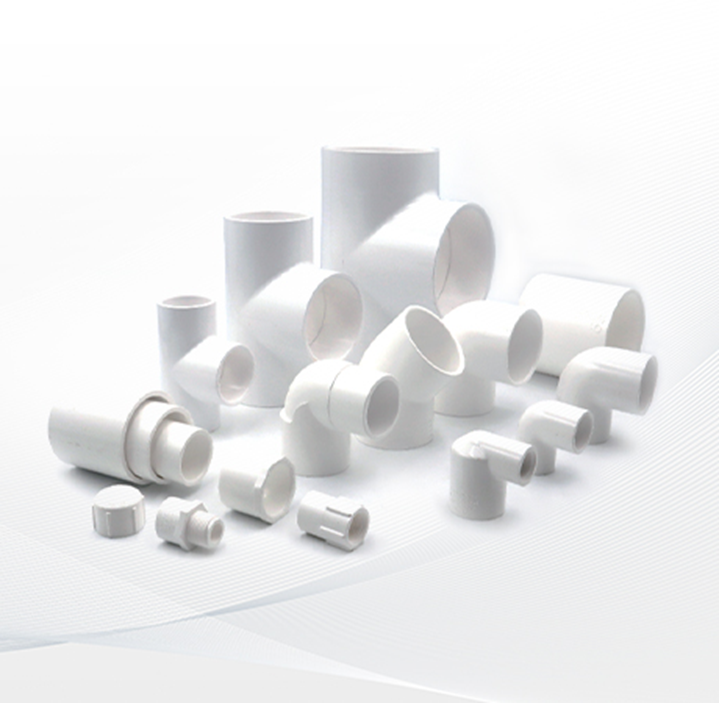
PVC Schedule 40 pipe is widely used in residential, commercial, and agricultural systems due to its strength, corrosion resistance, and ease of handling. LESSO America supplies PVC Schedule 40 products designed for a range of applications, including plumbing, irrigation, and drainage. Following proper installation and maintenance practices ensures optimal performance and extends the lifespan of the piping system.
Installation Tips for Long-Term Performance
To install PVC Schedule 40 pipe effectively, it’s important to begin with clean, dry surfaces. LESSO America recommends using a compatible primer and solvent cement to create strong, watertight joints. Proper curing time should be allowed before pressure testing the system.
Pipe cutting should be done with a fine-toothed saw or PVC cutter to ensure clean edges. Deburring and chamfering the ends before joining prevents gasket damage and promotes smooth flow. Alignment of joints during installation is also crucial to avoid stress on the connections, which can lead to future leaks or cracking.
During backfilling, materials should be free of sharp objects and compacted carefully around the pipe to provide uniform support. LESSO America’s PVC Schedule 40 pipe is built to handle regular pressure loads, but good installation practices help prevent unnecessary strain.
Routine Maintenance Considerations
Although PVC Schedule 40 piping requires minimal maintenance, routine checks can help detect early signs of wear or damage. LESSO America suggests inspecting for discoloration, cracking, or joint separation, particularly in systems exposed to outdoor conditions or chemical agents.
In cold climates, insulation or burial below frost lines helps protect the pipe from freezing and expansion damage. Regular flushing of the system also prevents buildup that could affect flow or pressure.
Conclusion
LESSO America’s PVC Schedule 40 pipes provide a durable and effective solution when installed and maintained correctly. Their performance depends not just on product quality but also on attention to detail during setup and upkeep. By following these best practices, users can achieve reliable, long-term operation in various applications, from household plumbing to large-scale irrigation systems.